A replacement tooth that behaves like a tooth.
A dental implant is a small titanium post placed into the jawbone to take the place of a missing tooth root. Once it has fused with the bone, it carries a crown, bridge or fixed arch that is anchored in place, nothing to remove, nothing resting on the gum.
Why replace a missing tooth at all?
A gap is rarely just a gap. The teeth either side drift towards it, the opposing tooth over-erupts into the space, the bone that once supported the root begins to resorb, and the bite quietly redistributes itself onto teeth that were not designed to carry it. Left long enough, a single missing tooth becomes a multi-tooth problem.
An implant is the only option that replaces the root as well as the crown. That matters because loading the bone is what keeps the bone. It also leaves the neighbouring teeth untouched, unlike a conventional bridge, which requires cutting down healthy teeth either side to support it.
What implants can replace
- A single tooth, one implant, one crown, adjacent teeth left alone
- Several teeth, two or more implants supporting a fixed bridge
- A whole arch, a fixed, full set of teeth on a planned number of implants (see full-arch rehabilitation)
- A loose denture, implants used to lock an existing or new denture firmly in place
Who is a good candidate
Most adults in reasonable general health with stable gums are candidates. What matters more than age is the health of the tissues, the volume of bone available, whether you smoke, whether any grinding habit is controlled, and whether diabetes or other systemic conditions are well managed. Active gum disease is treated and stabilised first, placing implants into an inflamed mouth is a way of losing them.
Six stages, spread over months
Assessment
Examination, photographs, radiographs and a CBCT scan where indicated. The scan shows bone height, width and density in three dimensions, and the position of the nerve and sinus.
Digital planning
The scan is merged with a digital impression so the implant position is planned around the tooth we intend to build, not the other way round. Where useful, a surgical guide is printed from that plan.
Preparation
Any gum disease is treated, failing teeth removed, and grafting or sinus augmentation carried out where the site needs building up. Some sites need healing time before placement.
Placement
The implant is placed under local anaesthetic, usually in under an hour for a single site. Most patients return to normal activity the following day.
Integration
Roughly three to six months while the bone fuses to the implant surface. You wear a temporary throughout, you are not left with a visible gap.
Restoration
The final crown or bridge is made to match the shade, shape and translucency of your own teeth, fitted, and checked against your bite. Reviews and hygiene follow.
Implants are not fit-and-forget
An implant cannot decay, but the tissue around it can become inflamed and the bone that holds it can be lost, peri-implantitis, and it is the commonest reason implants fail years down the line.
Everyone I treat leaves with a maintenance plan: a cleaning routine tailored to the restoration, regular hygiene appointments, and review intervals with radiographs to check the bone level around the implant. Kept up, that is what turns a good result into a long one.
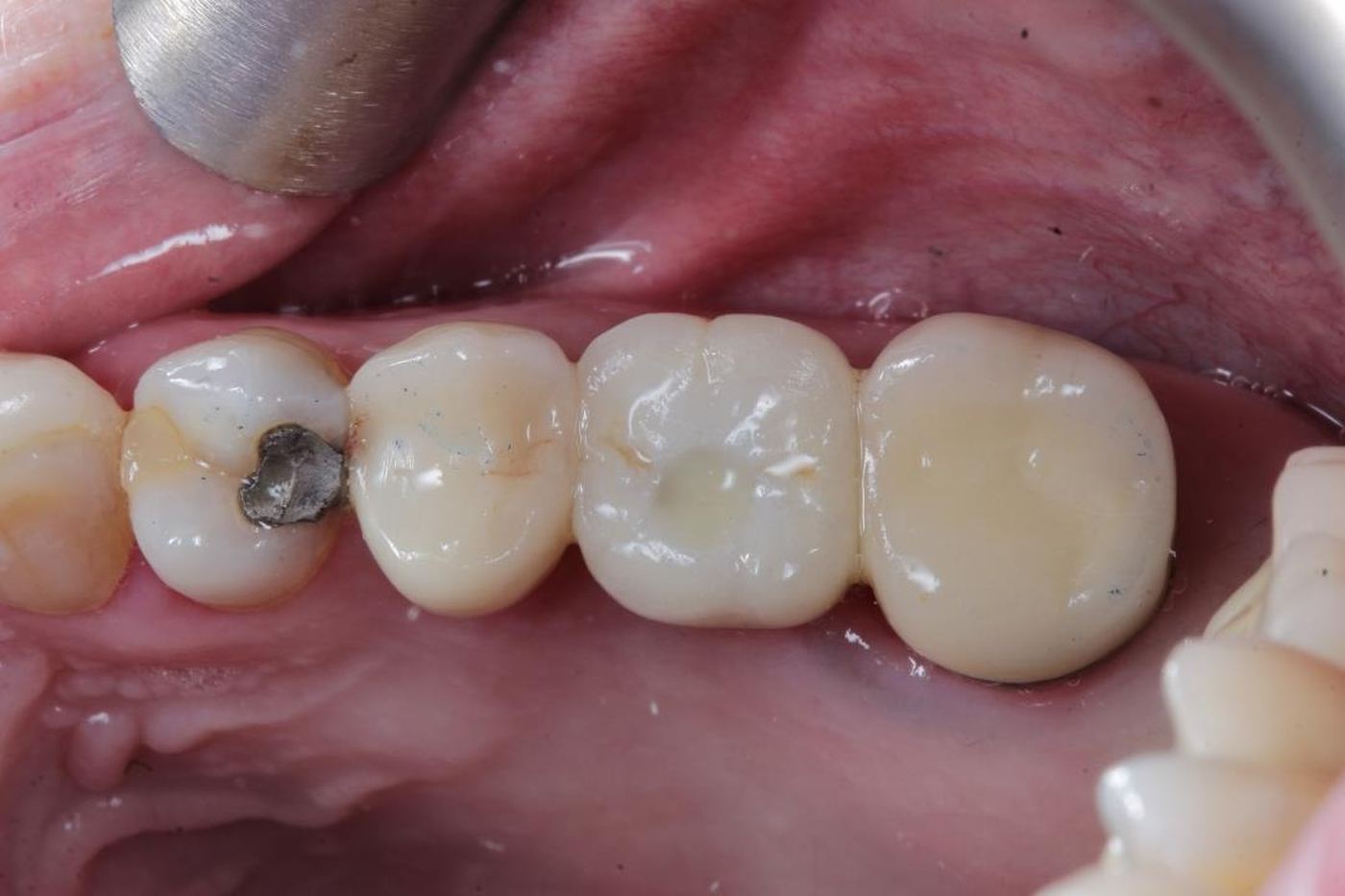
Common questions about implants
Does having an implant placed hurt?
How long does the whole process take?
How long do dental implants last?
Can I have an implant if I have been told I do not have enough bone?
I smoke, does that rule me out?
What are the risks?
Dental implants in Bath, Marlborough, Crewkerne and Bristol
I place and restore dental implants at four practices across the South West: Circus Dental in the centre of Bath, Savernake Dental in Marlborough, Black Swan Dental Spa in Crewkerne and Bristol Dental Suite in north Bristol. Patients travel from Chippenham, Trowbridge, Bradford on Avon, Frome, Devizes, Swindon, Hungerford, Newbury, Yeovil, Sherborne, Taunton and the Dorset border, and longer visits can be grouped for anyone coming further.
Wherever you are seen, the planning is the same: clinical photography, a CBCT scan where indicated, and a written plan with costs before anything begins. Surgery is scheduled into dedicated implant sessions, and your aftercare can take place at whichever practice suits you best.
Start with a conversation
Every case begins with an unhurried consultation: a proper look, a proper listen, and a written plan you can take away and think about. There is never any pressure to proceed.