A careful pair of hands,
and a plan you can read.
I am a private dentist working across four practices in the South West of England. My clinical focus is implant dentistry and full-arch rehabilitation, alongside the aesthetic and restorative work that so often sits beside it. I also accept referrals from other dentists, and I teach.
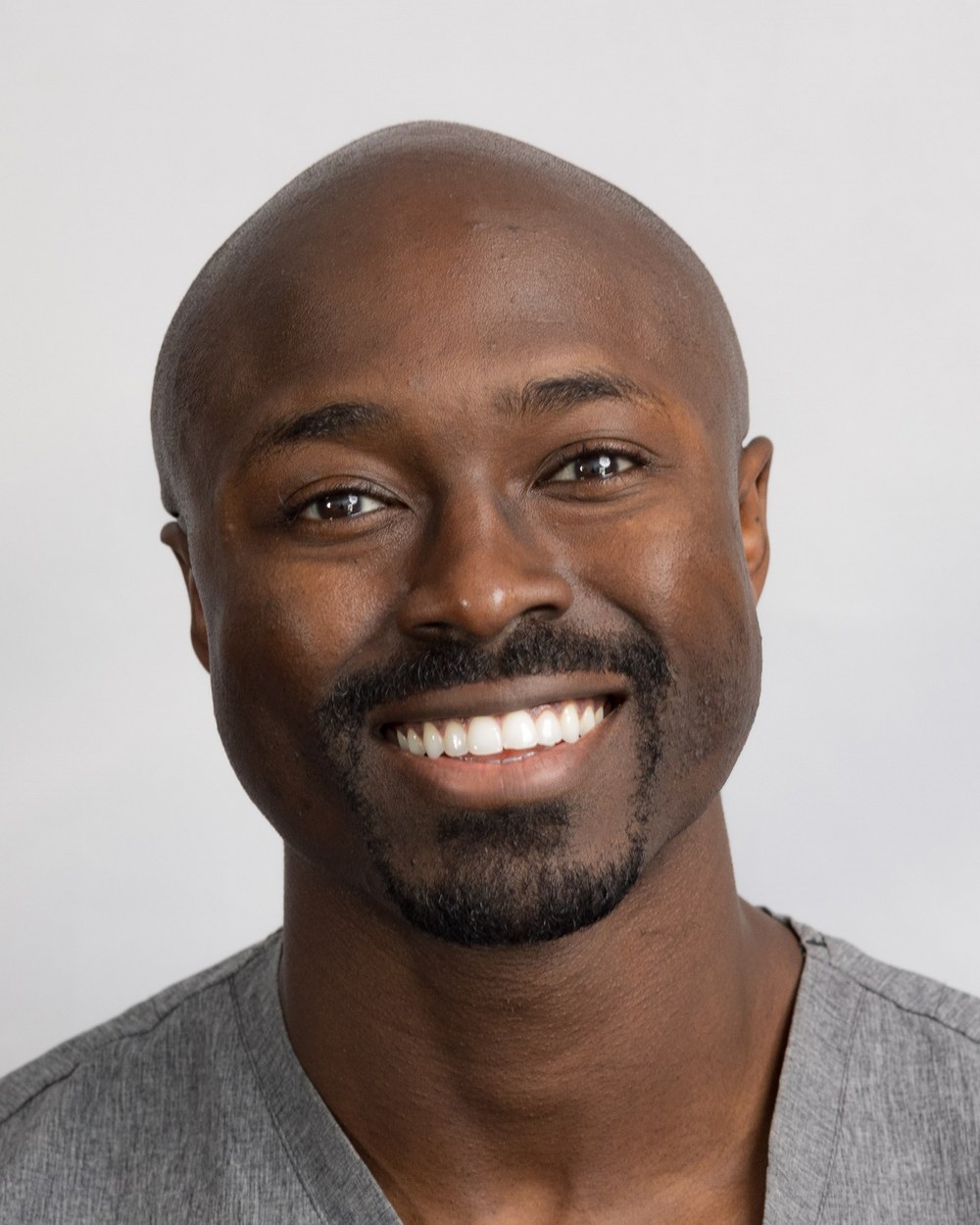
How I came to this work
I qualified from King's College London with honours, and stayed long enough to win a handful of awards for clinical and research work, present at European dental conferences and get published. What I actually took from it was narrower than any of that: I found I was drawn to the difficult end of dentistry. The mouths that had been patched and repatched. The failing bridges. The people who had been told nothing more could be done.
Those cases reward planning rather than improvisation, and that suited me. I went on to complete a Master's in Implant Dentistry at the University of Bristol, trained in aesthetic and restorative dentistry in London, and took internships and courses in the UK and the United States under clinicians whose standards were higher than anything I had been shown before. That is really the whole story: find people who are better than you, and go and stand next to them.
My practice now centres on implant dentistry and full-arch rehabilitation, alongside the cosmetic and restorative work that so often sits beside it. I continue to invest heavily in training, surgical, restorative and digital, because this is a field where standing still is the same as going backwards.
What I believe about treatment
Conservative first. Tooth structure, once removed, does not come back. If a case can be solved with bonding rather than crowns, or with alignment rather than veneers, that is the version I will put in front of you first.
Staged, not rushed. Complex work is built in phases with checkpoints between them. You will always know what has been done, what is next, and what it will involve before you commit to it.
Planned in detail, and shown to you. Clinical photography, digital scanning and three-dimensional imaging are not there to impress anyone. They are there so that you can see what I can see, and so that the decision we reach is genuinely a shared one.
Honest about limits. Not every result is achievable, and not every treatment is a good idea. If I think what you are asking for will not serve you well, I will tell you and explain why.
Referrals from other dentists
A significant part of my week is spent on cases referred to me by colleagues, implant assessment and placement, grafting and sinus work, full-arch rehabilitation and complex restorative cases. Referred patients are always returned to their own dentist for ongoing care, with a full written account of what was done and what it needs.
Referral information for dentists →
Teaching & mentoring
I teach dental photography, treatment planning and case presentation, and clinical communication, on the faculty of Private Dental Mentor, as an educator and mentor on the international RipeGlobal platform, and previously as an examiner on the bone grafting and augmentation module of the University of Bristol's MSc in Dental Implantology. I also mentor dentists one to one, in person and remotely.
Teaching keeps you honest. You cannot defend a decision to a room of sceptical clinicians unless you understand it properly yourself, and the standard of care a patient receives should not depend on which door they happen to walk through.
Teaching & mentoring in full →
Training & professional standing
Dr Steve Conteh, BDS (Hons) King's College London · MSc Implant Dentistry, University of Bristol. Registered with the General Dental Council, number 251055.
Qualifications
- BDS with Honours, King's College London
- MSc in Dental Implantology, University of Bristol
- Advanced Certificate in Full Mouth Oral Implant Rehabilitation
- Ultimate Full Arch Immediate Load Diploma
- Membership of the Joint Dental Faculties examination, Part 1
- Registered with the General Dental Council, number 251055
Further training
Implant dentistry moves quickly, and most of what I use day to day was learned after qualifying. The training that shaped how I work:
- Guided Bone Regeneration Masters course, taught by Professor Daniel Buser and colleagues
- Spear Education, Arizona: facially generated treatment planning, functional occlusion and restorative design
- PerioAcademy certification, London
- Cosmetic and aesthetic restorative dentistry programme with Chris Orr
- Anterior and posterior ceramic preparation courses with Jason Smithson
- Personalised denture masterclass with Finlay Sutton
- Certified Invisalign provider, and trained in ClearSmile and clear aligner therapy
- Honorary member of the University of Bristol Implantology MSc programme
How I work
- Digital planning throughout: intraoral scanning, digital smile design, and guided implant placement using printed surgical guides
- I work regularly alongside sedationists, so intravenous or inhalation sedation can be arranged for anxious patients and longer surgical appointments
- Member of the International Team for Implantology, the Association of Dental Implantology, the British Society for Restorative Dentistry and the British Dental Association
Recognition
- Jack Wheatley Carlton Hunter Prize, King's College London, awarded for courtesy, humanity and kindness in the treatment of patients
- John McLean Award, second place, for a multidisciplinary restorative case
- Maurice B Rothschild Award for Excellence in Endodontology
- Jose Souyave Class Prize in Endodontics, highly commended
- Dodd Award for contribution to King's College London
- King's Leadership Gold Award
- Finalist, Aesthetic Dentistry Awards, Conservative Smile Makeover and Whitening
- Presenter at European dental conferences; published in the dental press, including Dental Protection
Profiles: Doctify · Invisalign provider · Private Dental Mentor · LinkedIn · Circus Dental · Savernake Dental
Away from the surgery
I live in Wiltshire with my wife Charlotte, who is an orthodontist, and our two young daughters. Most weekends involve a basketball court, a charcoal grill, or being comprehensively outnumbered by a four-year-old and a two-year-old. It is a useful reminder that patients have lives to get back to as well, which is part of why I plan treatment around real timelines rather than ideal ones.
Your first consultation
Start with a conversation
Every case begins with an unhurried consultation: a proper look, a proper listen, and a written plan you can take away and think about. There is never any pressure to proceed.