Composite Bonding.
Tooth-coloured resin sculpted directly onto the tooth, usually in a single visit, usually without drilling.
What is composite bonding?
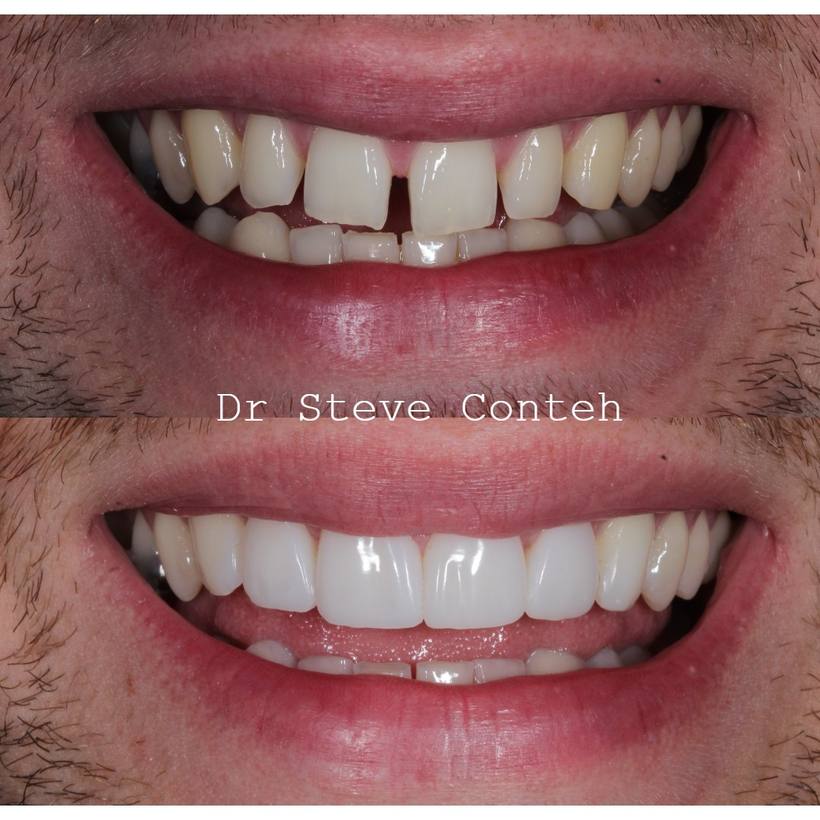
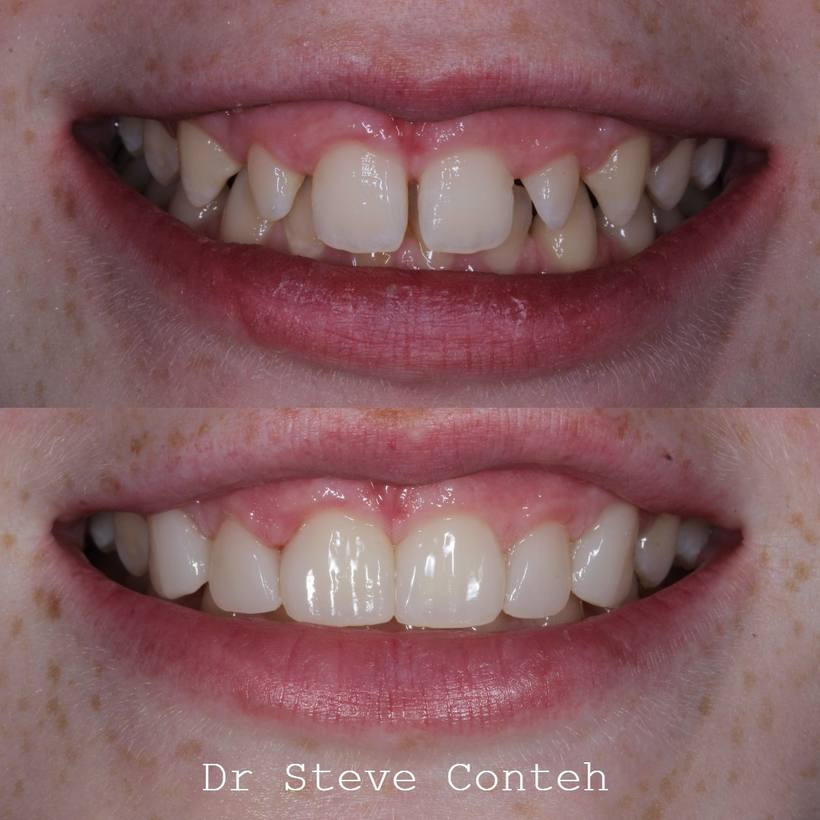
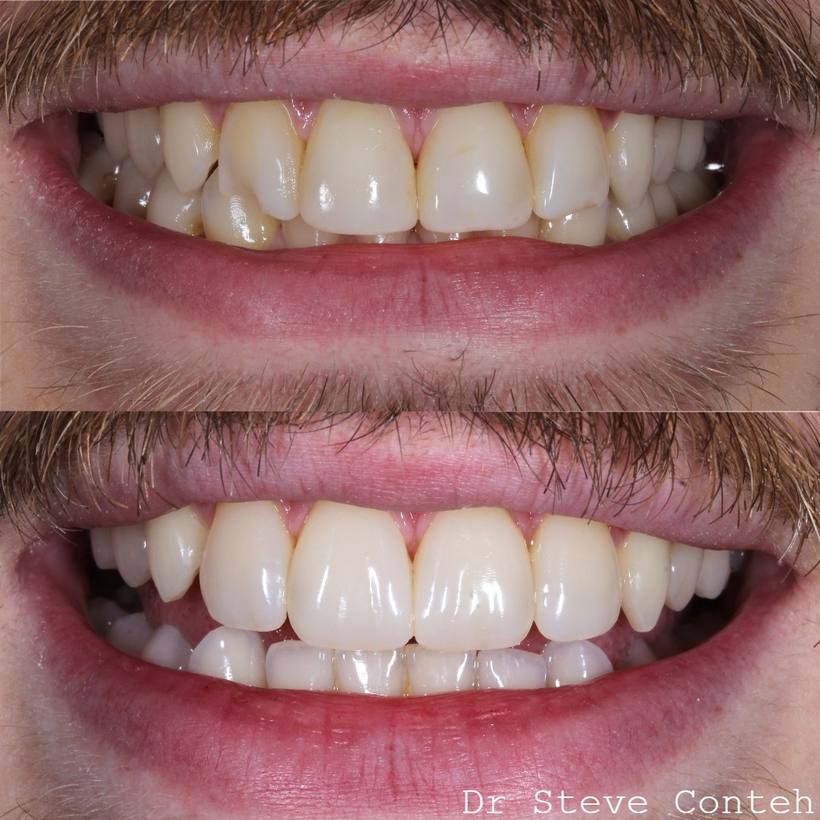
Composite bonding is the direct application of tooth-coloured resin to the surface of a tooth, sculpted and polished by hand in the mouth. It can lengthen worn edges, close gaps, repair chips, mask discolouration and reproportion teeth that are small or uneven. In most cases it is completed in a single appointment and requires little or no removal of natural tooth.
Why has this been recommended?
Bonding has been recommended because the change you are after can be achieved without cutting into healthy tooth. Where a case can be solved with composite rather than crowns, or with composite rather than porcelain veneers, that is the more conservative option and I will always put it in front of you first. It is also repairable, adjustable, and in most situations reversible, which matters if you are unsure.
What to expect during treatment
Planning comes first: photographs, and often a digital design or a wax-up so we agree the shape and length before any composite is placed. On the day, the teeth are cleaned and isolated, usually with a rubber dam. A mild conditioning gel is applied so the resin bonds reliably, then composite is placed in layers, each set with a curing light. Different shades and opacities are layered to reproduce the way a natural tooth transmits light, which is what stops bonding looking flat.
Shaping and polishing take as long as placement and matter just as much. A case involving six or eight teeth typically takes a long appointment of two to four hours. Anaesthetic is often unnecessary.
Risks and possible complications
Composite stains over time, particularly at the margins, and particularly with coffee, red wine, curry and smoking. It is less strong than porcelain and can chip, especially at incisal edges and in people who grind. Expect to need polishing periodically and repairs occasionally.
If your bite is heavy on the teeth being bonded, added material may fracture or may load the tooth in a way it will not tolerate; sometimes alignment is needed first to create the space to build into. A small number of people experience temporary sensitivity afterwards.
Benefits and expected outcomes
At its best, bonding gives a natural, conservative and immediate result, done in one visit for a fraction of the cost of porcelain and without permanently altering the tooth. It is straightforward to adjust if you want a small change once you have lived with it, and easy to repair if damaged. For young patients especially, it is often the right first step rather than committing to porcelain in their twenties.
Aftercare and home care
Avoid staining foods and drinks for the first 48 hours while the surface matures. After that, ordinary care applies, with the caveat that composite is more stain-prone than enamel: reduce coffee, tea, red wine and smoking if you want it to stay bright.
Brush twice daily and clean between the teeth every day. Avoid biting nails, pens, or opening packaging with your front teeth, which is the commonest cause of chips. Wear a nightguard if you grind. Come for review and a polish as advised, usually annually, which keeps bonding looking fresh for far longer.
Composite Bonding: before and after
Common questions
How long does composite bonding last?
What is the difference between composite bonding and porcelain veneers?
Does composite bonding damage your teeth?
Should I whiten before bonding?
This page is written by Dr Steve Conteh, BDS (Hons) MSc, GDC 251055, and is general information rather than advice for your particular mouth. Your own plan, costs and risks are set out in writing before any treatment begins. Last reviewed August 2026.
Ask me about your own case
Every case begins with an unhurried consultation: a proper look, a proper listen, and a written plan you can take away and think about. There is never any pressure to proceed.