Bone Grafting.
Rebuilding jawbone so that an implant has a solid foundation to sit in.
What is bone grafting?
Bone grafting is a procedure used to rebuild or augment areas of the jaw where bone has been lost. When a tooth is lost or extracted, the jawbone in that area naturally begins to shrink over time. In some cases, this means there is not enough bone volume or density to support an implant safely and predictably. A bone graft restores the necessary volume so that an implant can be placed.
Why has this been recommended?
A bone graft has been recommended because the assessment of your jaw, using X-rays and a CBCT scan, has identified that the available bone in one or more areas is insufficient to support an implant without augmentation. This is a common finding, particularly when there has been a period between losing a tooth and seeking replacement, or where gum disease has caused bone loss.
What to expect during treatment
Bone grafting is usually performed at the same appointment as implant placement, or sometimes as a separate preliminary procedure if the defect is significant. The procedure is carried out under local anaesthetic and is generally well tolerated. The graft material, which may be derived from your own bone taken from elsewhere in the mouth, a carefully processed donor source, or a synthetic substitute, is placed into or around the deficient area and covered with a protective membrane where needed.
Healing after a bone graft takes longer than a straightforward implant procedure, typically three to nine months depending on the size of the graft and the technique used. During this time, it is important to protect the area and follow the aftercare instructions carefully. Once the graft has matured and new bone has formed, implant placement can proceed.
Risks and possible complications
Bone grafting is a well-established procedure with a good track record, but risks include infection, graft failure where the graft does not integrate and needs to be repeated, swelling and discomfort which can be more pronounced than for a straightforward implant, membrane exposure, and delayed healing. Smoking significantly increases the risk of graft failure and should be avoided during the healing period. In some cases, additional grafting may be needed before implant placement can proceed.
Benefits and expected outcomes
A successful bone graft creates the foundation for a stable, long-lasting implant. Without adequate bone, even a well-placed implant is at higher risk of early or late failure. By investing in this stage, we are significantly improving the long-term prognosis of your implant treatment.
Aftercare and home care
Following a bone graft, it is essential to avoid disturbing the surgical site. Do not rinse vigorously or probe the area with your tongue or fingers. Gentle saltwater rinses may be recommended from the day after surgery. Take any prescribed antibiotics or pain relief as directed. Eat soft foods and avoid anything hard, crunchy, or hot for the first week or two. Attend all follow-up appointments so that healing can be monitored closely.
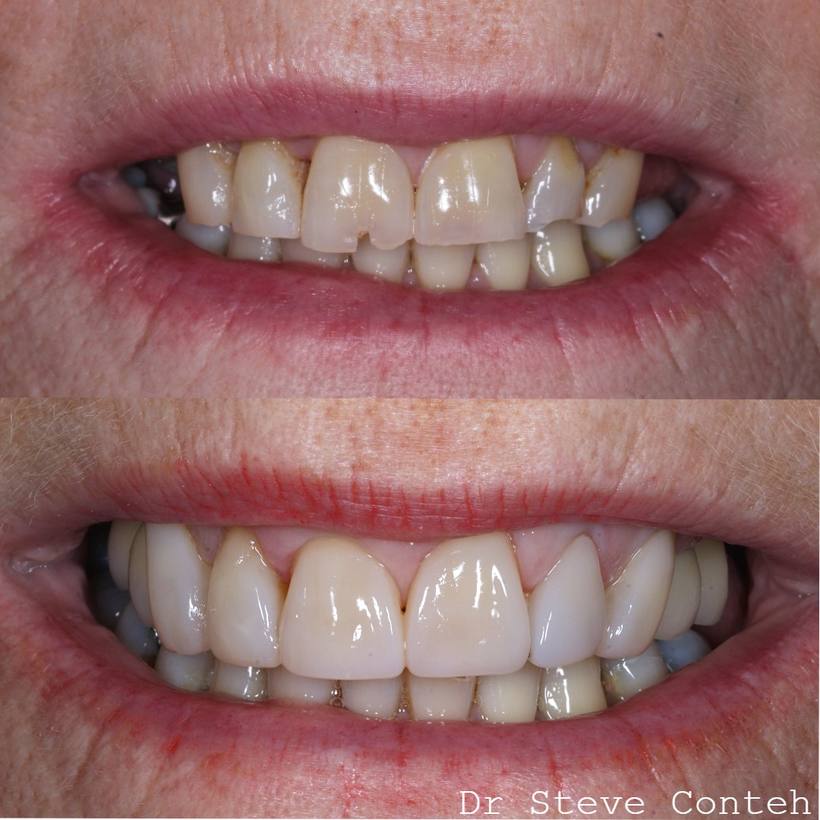
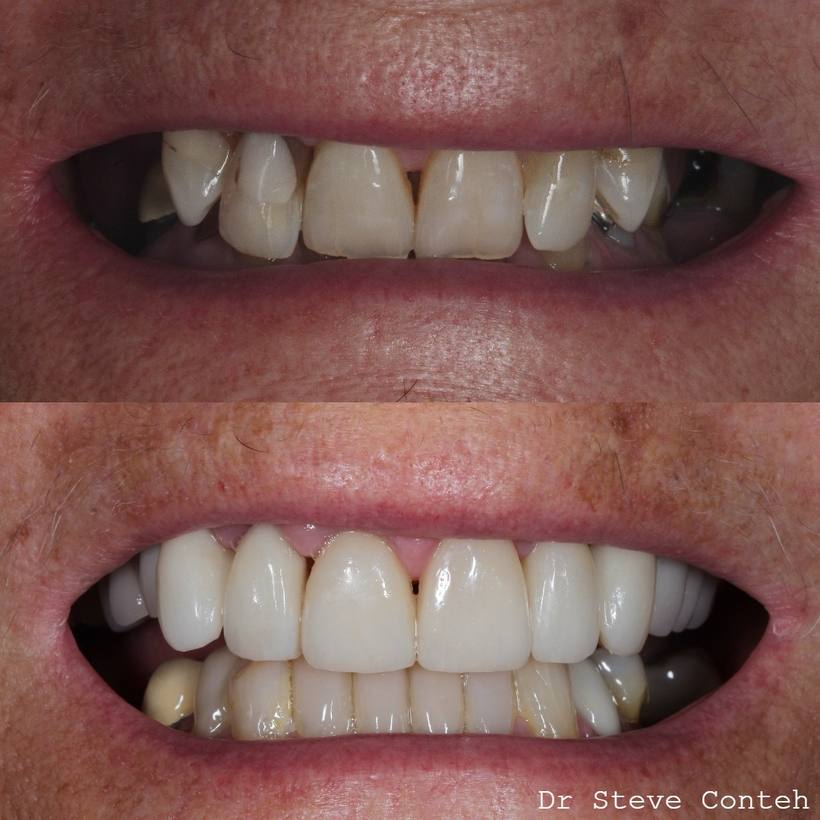
Bone Grafting: before and after
Common questions
Do I definitely need a bone graft for an implant?
Where does the graft material come from?
Can I have an implant if I have been told I do not have enough bone?
This page is written by Dr Steve Conteh, BDS (Hons) MSc, GDC 251055, and is general information rather than advice for your particular mouth. Your own plan, costs and risks are set out in writing before any treatment begins. Last reviewed August 2026.
Ask me about your own case
Every case begins with an unhurried consultation: a proper look, a proper listen, and a written plan you can take away and think about. There is never any pressure to proceed.